Thriving with Less: Drought-Resistant Plants for Eco-Friendly Landscapes
Chosen theme: Drought-Resistant Plants for Eco-Friendly Landscapes. Welcome to a water-wise way of designing beauty that lasts. Together, we’ll explore resilient plant choices, smarter watering, and inspiring stories that prove sustainability can be stunning. Stay with us, share your questions, and subscribe for practical guides tailored to your climate and goals.
Why Drought-Resistant Plants Matter
01
In many communities, outdoor irrigation consumes a surprisingly large portion of household water. Drought-resistant plantings reduce that demand while staying vibrant through heat waves and rainless stretches. If water security matters to you, this is one of the most immediate, beautiful changes you can make at home. Tell us your local water challenges.
02
Tough plants thrive when roots are encouraged to go deep and soils are protected with organic mulch. Many have waxy leaves, fine hairs, or CAM photosynthesis that conserves moisture. Healthy soil life boosts resilience, too, so compost and minimal disturbance are your allies. Curious which traits you already see in your garden?
03
Last summer, one reader replaced a thirsty lawn with lavender, yarrow, and native grasses. A month later, neighbors asked why her garden looked greener during drought restrictions. The answer: right plants, right place, right watering. She now tracks rainfall, mulches generously, and invites pollinators daily. What would you swap first on your block?

Designing a Water-Wise Landscape
Hydrozoning for Success
Group high-, medium-, and low-water plants so irrigation matches need, not habit. Place thirstier accents near downspouts and paths, and the toughest species on slopes or distant corners. Add swales, shallow basins, or terraces to slow runoff and soak in precious rainfall. Which area of your yard wastes the most water today?
Texture, Color, and Structure
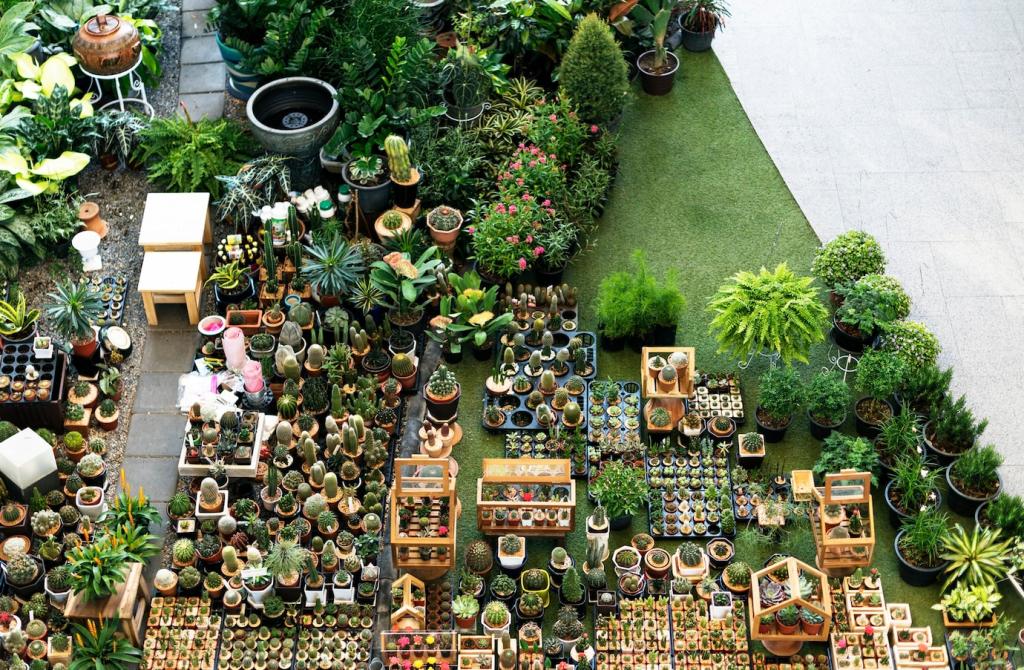
Combine silvery foliage with deep greens, spiky forms beside billowy mounds, and a rhythm of blooms across seasons. Think rosemary hedges framing agave, with drifts of salvia and artemisia weaving soft movement. Hardscape with gravel or decomposed granite amplifies contrast and percolation. Share a photo, and we’ll suggest a drought-chic refresh.
Small-Space Magic
Containers and pocket beds can be remarkably water-wise. Use large, breathable pots, gritty mixes, and saucers for occasional deep soaks. Pair compact lavender with sedum and thyme, or dwarf yucca with trailing ice plant. Add a micro-drip ring to cut waste. Apartment balcony or tiny patio? Tell us the light hours and wind exposure.
Soil and Irrigation That Save Water
Two to three inches of coarse organic mulch cools roots, slows evaporation, and feeds soil life as it breaks down. Before mulching, top-dress with compost to add gentle nutrients and improve structure. Keep mulch off crowns and stems to prevent rot. What material do you prefer—shredded bark, chipped prunings, or gravel?
Soil and Irrigation That Save Water
Drip lines and individual emitters deliver water precisely to roots, reducing evaporation and runoff. Program deep, infrequent cycles in the early morning, adjusting seasonally. Weather-based controllers and soil moisture sensors prevent wasteful cycles after rain or during cool spells. Want help choosing emitters or schedules for your plant mix?
Caring Through the Seasons
01
The Establishment Year
Even tough plants need help the first year. Water deeply to encourage downward root growth, then stretch intervals gradually. Check moisture by hand, not just by schedule. A little patience now prevents chronic shallow roots later. New bed this season? Tell us your plant list, and we’ll map a step-down watering plan.
02
Pruning and Cleanup
Prune lavender and rosemary lightly after bloom to keep mounds tight. Cut back warm-season grasses in late winter before fresh growth appears. Leave some seed heads for birds through fall. Minimal fertilizer maintains toughness and form. What pruning puzzles do you face? Drop a photo, and we’ll coach technique and timing.
03
Watching for Stress
Temporary midday droop can be normal; persistent wilting, leaf scorch, or sudden yellowing suggests trouble. Probe soil to check for dry pockets or waterlogged zones. Improve drainage, widen mulch rings, and adjust emitters as needed. Unsure if your plant is struggling or adapting? Describe symptoms, and we’ll help diagnose with context.
Biodiversity Benefits in Dry Gardens
Pollinator Buffets
Salvia, penstemon, gaillardia, and catmint provide nectar through long, sunny seasons. Sequence bloom from spring to fall, and avoid pesticides that harm bees and butterflies. Add a shallow water dish with pebbles for safe sipping. What pollinators do you see now? Share sightings, and we’ll suggest plants to extend their visits.
Shelter and Food for Birds
Ceanothus, manzanita, toyon, and serviceberry offer cover, nesting structure, and berries with minimal supplemental water once established. Keep layered heights for safety and foraging. A small, regularly cleaned birdbath turns your yard into a rest stop. Who’s visiting your garden? Report your regulars, and we’ll tailor habitat ideas.
Life Beneath the Surface
Mulch, compost, and plant diversity nourish fungi and microbes that expand root reach and drought resilience. Minimize tilling to preserve networks, and water deeply so biology thrives below. Resist quick, salty fertilizers that disrupt soil communities. Curious about inoculants or compost teas? Ask, and we’ll discuss evidence-based practices.
Start with One Bed
Pick a sunny area, remove thirsty turf, and amend lightly with compost. Lay drip, plant tough species in groups, and mulch generously. Photograph before and after so progress feels real. Tell us your site dimensions and sunlight, and we’ll propose a plant list and layout you can implement this weekend.
Measure and Celebrate
Track water use, maintenance time, and wildlife sightings for three months. Adjust schedules based on plant responses, not habit. Celebrate milestones with a new plant or perch for pollinators. Post photos and tag your location. Subscribe for monthly checklists and zone-specific reminders tailored to drought-resilient gardening.